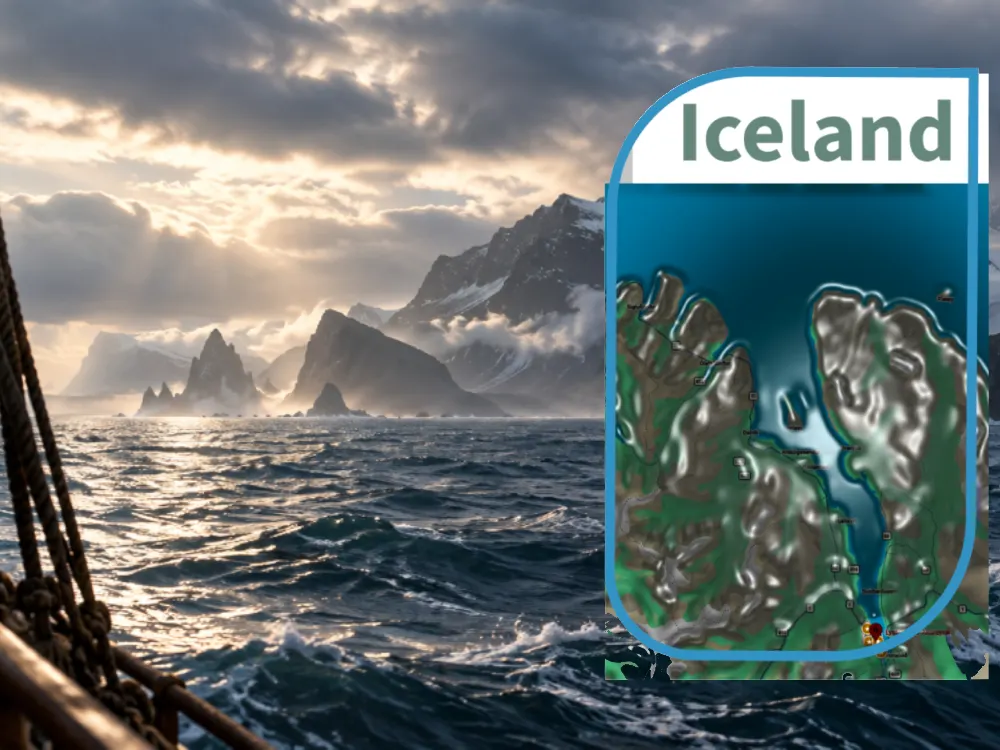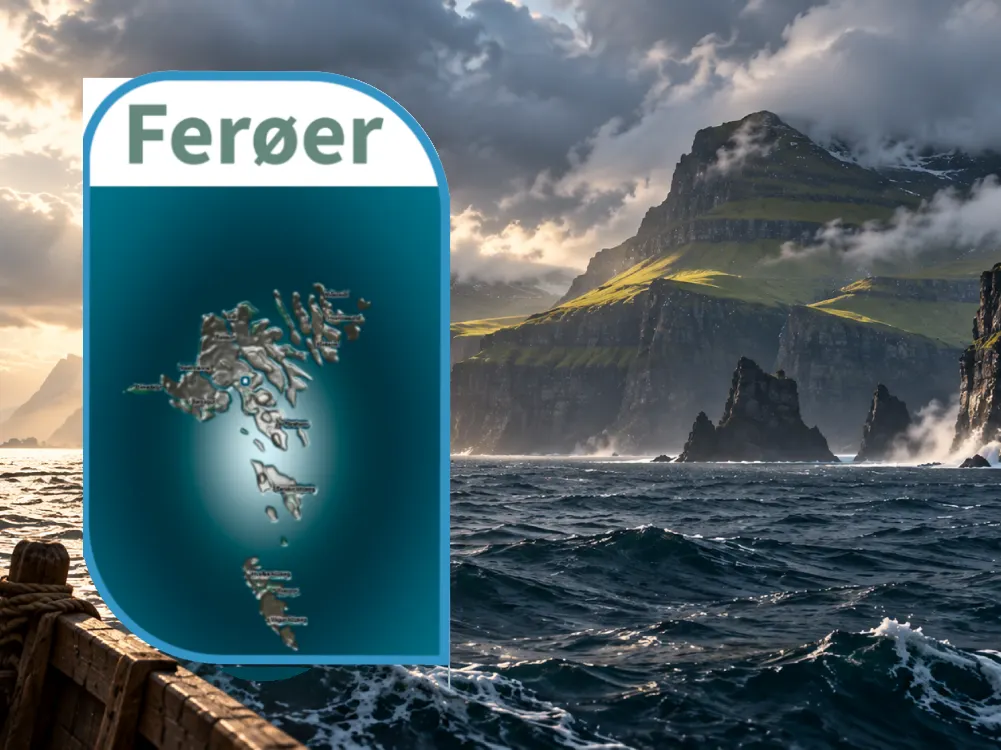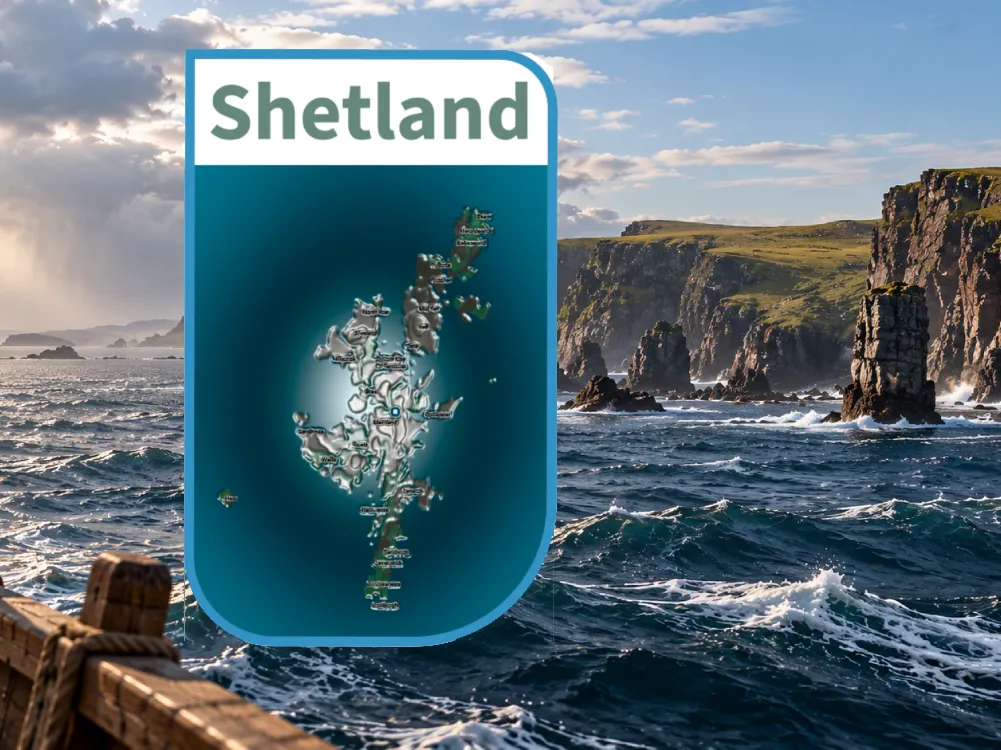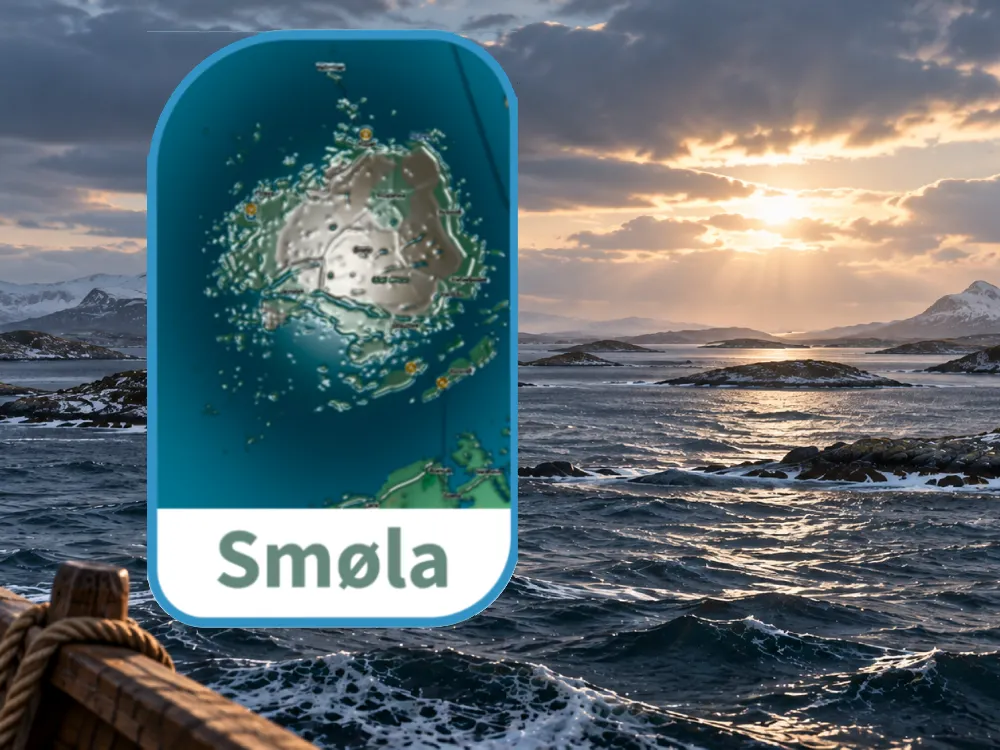
Iceland
Its distance and its far-northern position fit Pytheas' description closely. The archaeologist Barry Cunliffe, among others, has made the case for Iceland.
Experimental: Audio narration for accessibility
Five possible answers to a question more than 2,300 years old.
More than 2,300 years after Pytheas of Massalia sailed north, the land he called Thule has still not been found. Five places remain in the debate: Iceland, the Faroe Islands, Shetland, Smøla and Saaremaa.
None of them has won. Not yet.
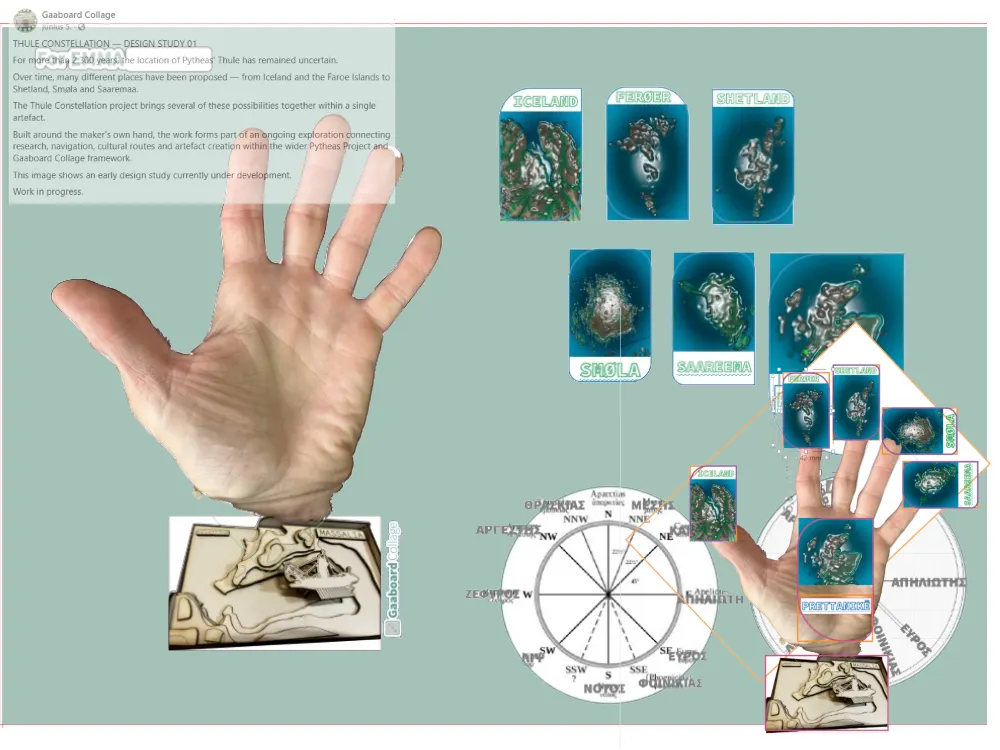
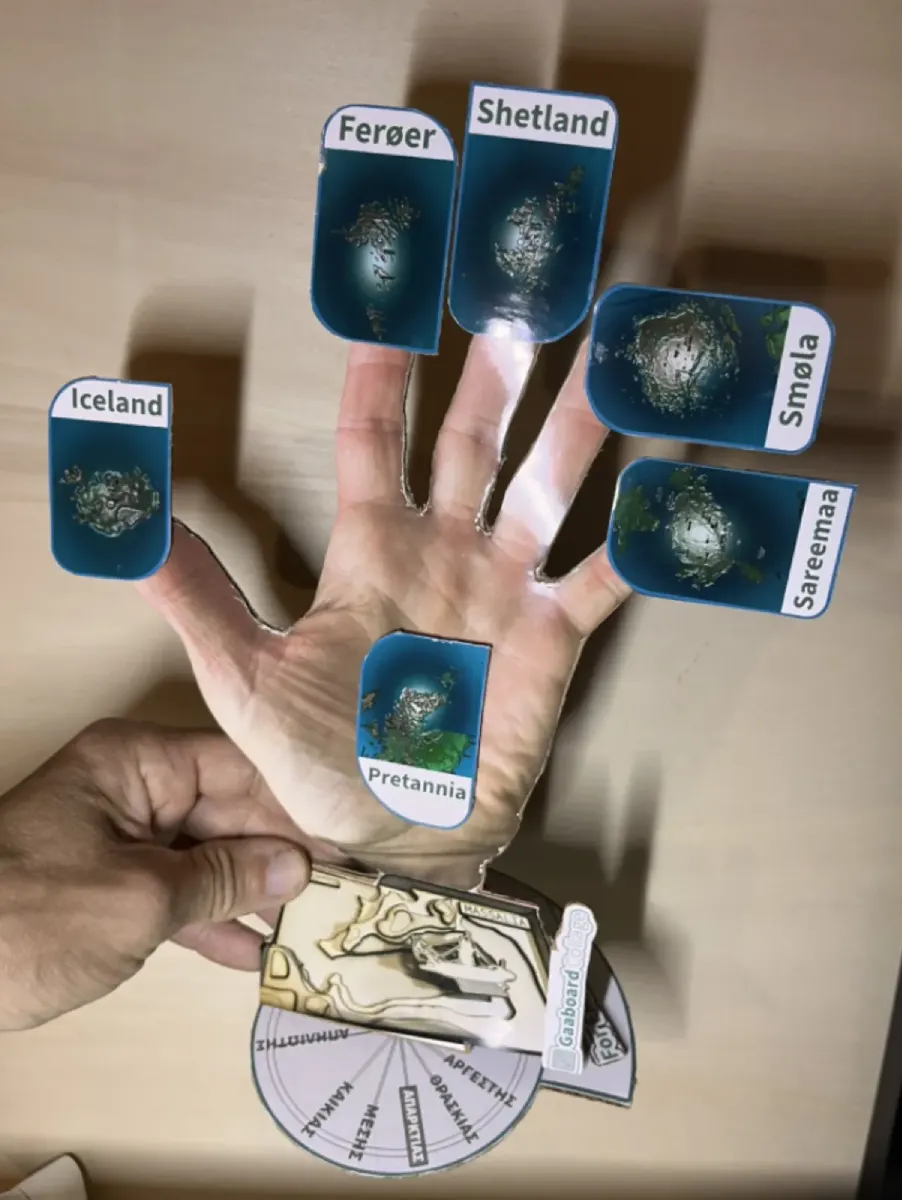
The Thule Constellation holds these five possibilities together. It began as a sketch on the palm of a hand, with one candidate on each finger, and has become the first artefact of the line. Each candidate can now be explored in its own right.
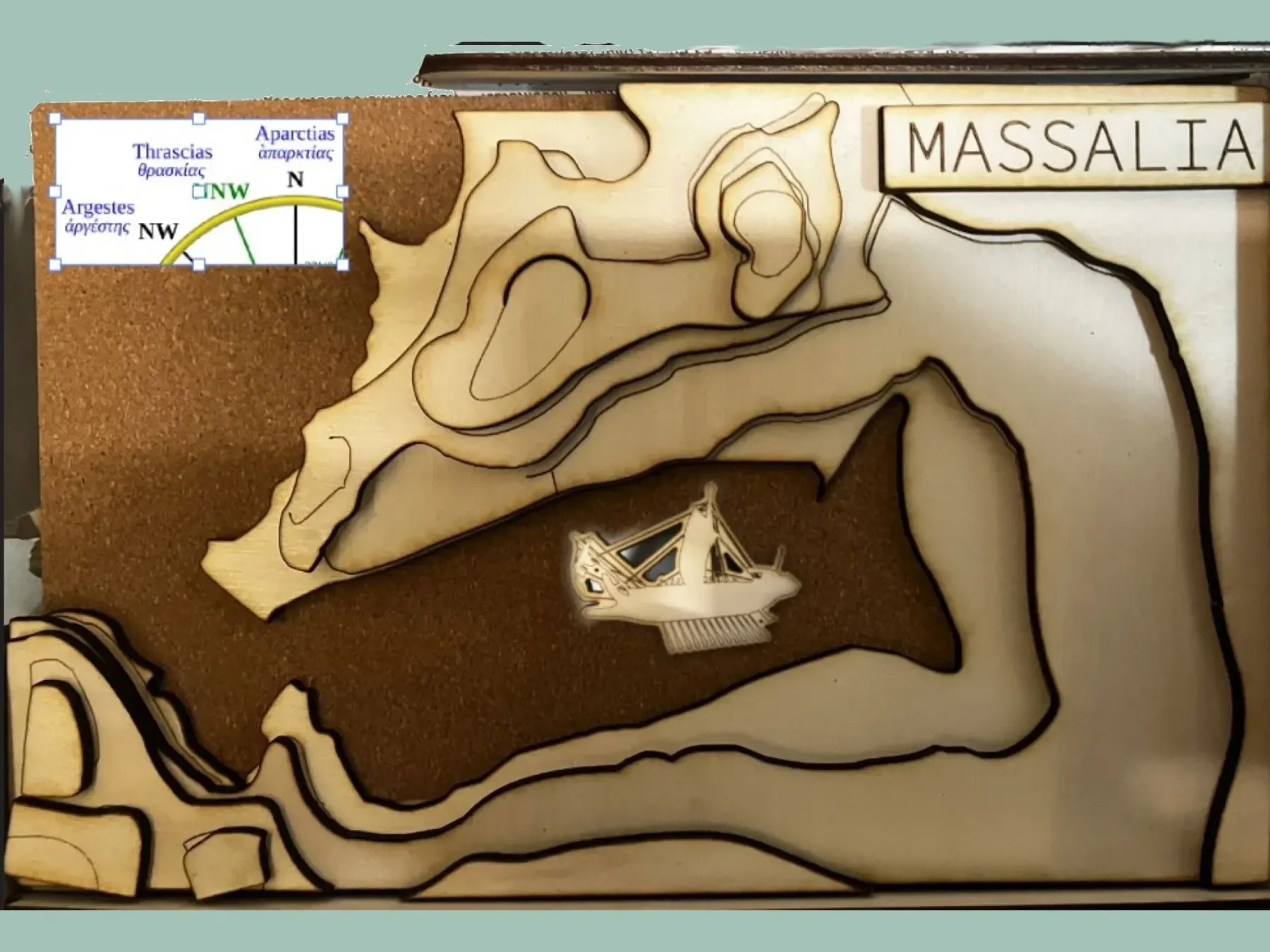
One point in the story is certain: Massalia. The Greek harbour city as Pytheas knew it, and the place from which the voyage began.
Its harbour has been designed and laser-cut in the studio as a layered relief, the Massalia Origin Node, and it stands at the base of every Thule Constellation. Every answer to the question of Thule begins here.
Pytheas described Thule as six days' sail north of Britain, close to a frozen sea. His own account is lost; it survives only in fragments quoted by later writers. Five places are still named.
Its distance and its far-northern position fit Pytheas' description closely. The archaeologist Barry Cunliffe, among others, has made the case for Iceland.
Lying between Britain and Iceland, the islands have been read as Thule since at least the nineteenth century.
When a Roman fleet sailed around Britain in the first century AD, Tacitus wrote that its crew sighted Thule beyond Orkney. Many readers take this to mean Shetland.
In 2010, researchers at the Technical University of Berlin re-examined Ptolemy's ancient coordinates and placed his Thule on this island off the Norwegian coast.
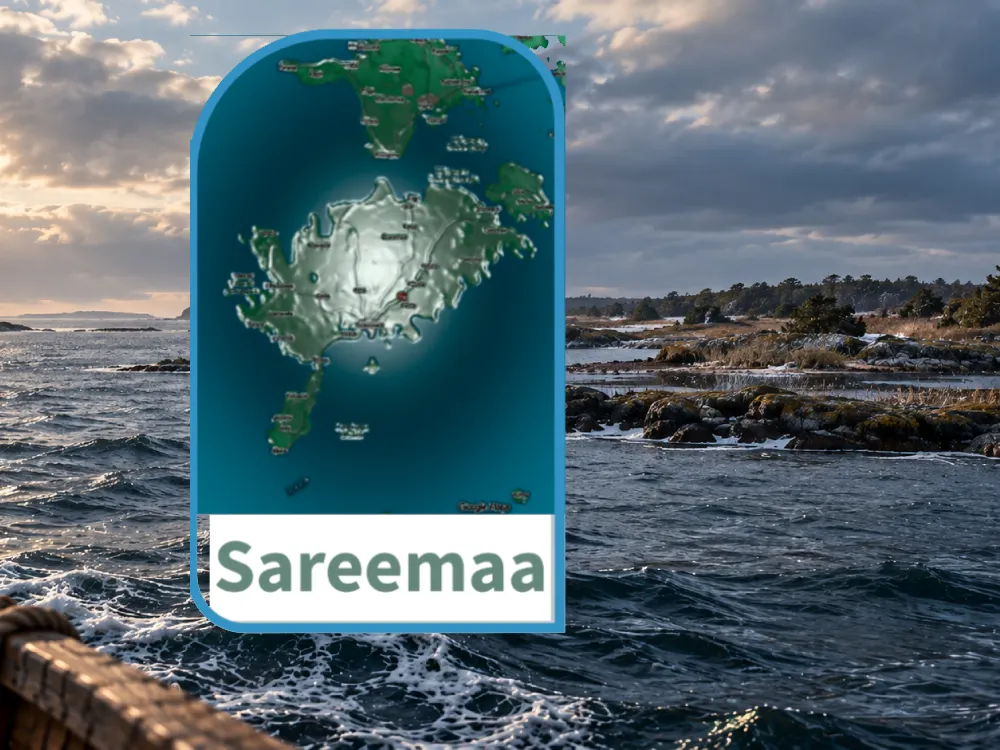
In 1976, the Estonian writer Lennart Meri proposed Saaremaa, linking Thule to the Kaali meteorite crater and an old memory of fire.
Each has its argument. None has settled the question.
Sources: Barry Cunliffe, The Extraordinary Voyage of Pytheas the Greek (2001); Tacitus, Agricola 10; Lennart Meri, Hõbevalge (1976).
The question drawn on a hand: one candidate on each finger, Prettanikē on the palm.
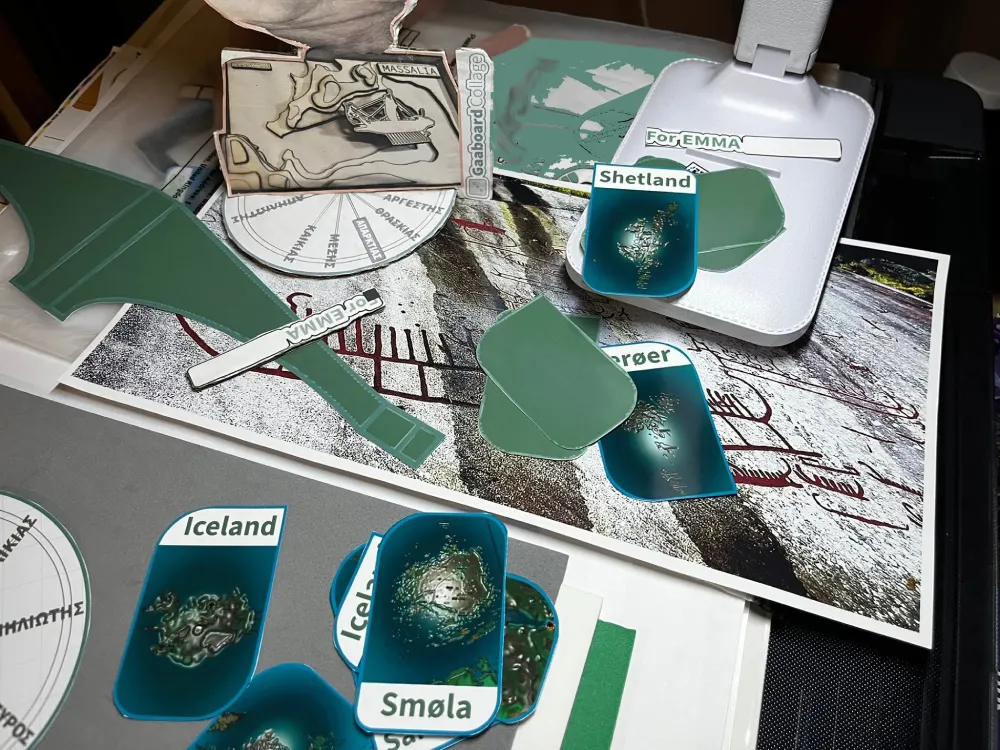
The first material form: plotter-cut layers, still holding all five candidates together.
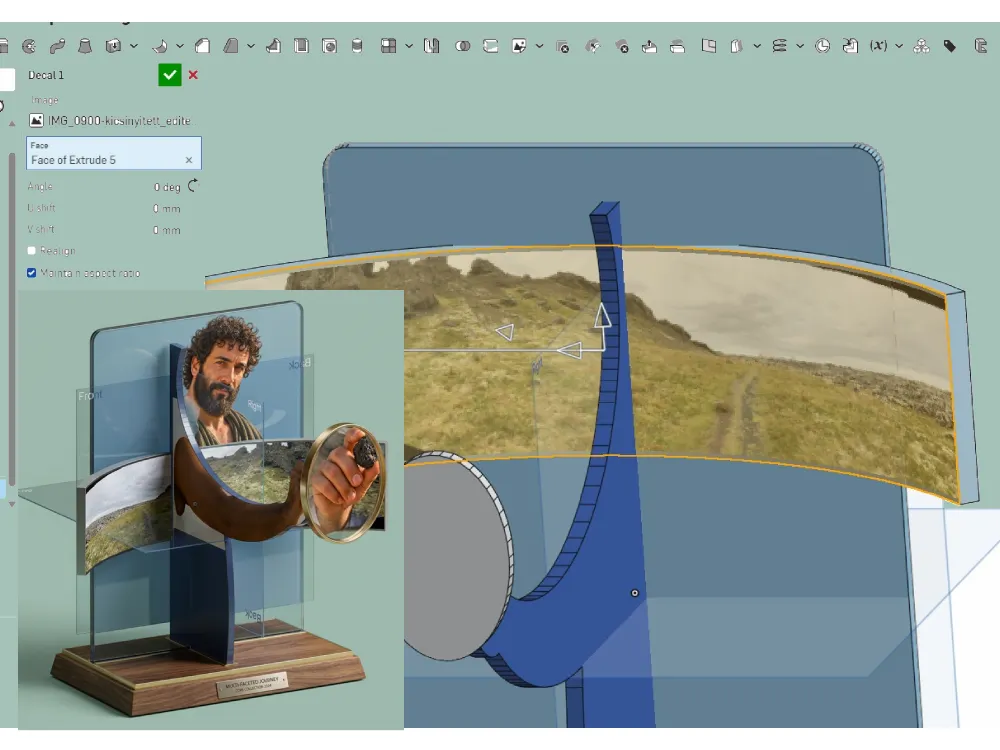
Iceland takes its own shape. Hraunmoli (pronounced roughly "HROYN-mol-i") is the first artefact developed for a single candidate.
Five possible answers raised on an open hand, above a compass of the ancient Greek winds, with Massalia at its base. Available in two editions, numbered and personalised.
Explore the artefactThe Thule Constellation is part of the Pytheas Project, a research-based journey following Pytheas of Massalia across Europe.
If one of these five places is yours, we would like to hear from you.